
The Hidden Cost of Ozempic: Why Weight Loss Medications Are Triggering Hair Loss Across Los Angeles
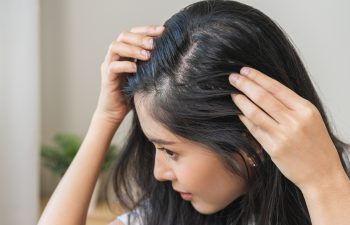
The scale is finally moving in the right direction. Your clothes fit better, your energy levels are up, and friends keep asking what your secret is. GLP-1 medications like Ozempic, Wegovy, Mounjaro, and Zepbound have transformed weight loss for millions—but for a growing number of patients, the celebration comes with an unwelcome surprise. That handful of hair in the shower drain. The widening part line. The ponytail that suddenly feels half as thick.
If you’re experiencing hair loss while taking weight loss medications, you’re far from alone. At Beverly Hills Hair Group, dual board-certified facial plastic surgeon Dr. Ben Talei and his team have seen a significant increase in patients seeking help for medication-related hair shedding. Understanding why this happens—and what you can do about it—is the first step toward protecting both your weight loss progress and your hair.
The Science Behind GLP-1 Medications and Hair Loss
GLP-1 receptor agonists work by mimicking a naturally occurring hormone called glucagon-like peptide-1. This hormone signals to your brain that you’re full, slows stomach emptying, and helps regulate blood sugar. The result? Reduced appetite and substantial weight loss.
However, your body doesn’t always distinguish between intentional weight loss and a survival threat. When calorie intake drops dramatically, your system prioritizes essential functions—and hair growth falls into the “non-essential” category.
The type of hair loss most commonly associated with GLP-1 medications is telogen effluvium. Normally, about 85-90% of your hair follicles are actively growing while 10-15% are resting. When your body experiences significant stress—including rapid weight loss—it pushes a much larger percentage of follicles into the resting phase simultaneously. Two to four months later, these hairs shed all at once.
Four Factors That Make Weight Loss Medications Hard on Hair
Understanding these mechanisms helps explain why some patients experience severe shedding while others notice minimal changes.
- Rapid Weight Loss Shock: Losing more than two pounds per week dramatically increases your risk of triggering telogen effluvium. Your hair follicles go into conservation mode, prioritizing other bodily functions over maintaining hair growth.
- Nutritional Deficiencies: GLP-1 medications suppress appetite, often meaning significantly reduced food intake. Getting adequate protein, iron, zinc, and biotin becomes challenging, weakening existing hair and preventing new growth.
- Hormonal Disruption: Fat tissue plays an important role in estrogen metabolism. As you lose body fat, estrogen levels can fluctuate—particularly affecting women and potentially causing hair thinning patterns similar to female pattern hair loss.
- Metabolic Stress Response: Rapid metabolic changes elevate cortisol levels and redirect resources away from hair growth. This systemic stress can affect hair quality even before visible shedding begins.
Warning Signs Your Hair Needs Attention
Hair loss from weight loss medications typically begins two to four months after starting medication or after a period of particularly rapid weight loss. However, changes in hair quality often appear earlier.
Watch for these warning signs:
- Increased shedding: Finding more hair on your pillow, in the shower, or in your brush
- Texture changes: Hair becoming drier, more brittle, or losing its shine
- Thinning strands: Individual hairs feeling finer than before
- Scalp visibility: Seeing more of your scalp through your hair
If you’re experiencing any of these symptoms, early intervention is key. The sooner you address medication-related hair loss, the better your chances of preventing significant thinning.
Who Faces the Highest Risk?
While anyone taking GLP-1 medications can experience hair changes, certain factors increase vulnerability:
- Aggressive dosing schedules: Ramping up medication quickly puts additional stress on the body
- History of hair loss: Previous telogen effluvium or family history of thinning hair
- Existing nutrient deficiencies: Low iron, vitamin D, or protein levels before starting medication
- Very low calorie intake: Consuming fewer than 1,200 calories daily while on GLP-1 medications
Dr. Talei, who trained at UCLA, UC San Diego, Columbia, and Cornell before completing two fellowships in Facial Plastic and Reconstructive Surgery, emphasizes that understanding individual risk factors allows for proactive intervention rather than reactive treatment.
Protecting Your Hair While Losing Weight
Prevention starts with a strategic approach to weight loss. The team at Beverly Hills Hair Group advocates for slow, steady progress rather than dramatic drops.
- Aim for gradual weight loss: Targeting one to two pounds per week significantly reduces metabolic stress and gives your body time to adapt.
- Prioritize protein: Hair is primarily made of protein (keratin). Ensuring adequate intake supports both hair retention and new growth.
- Monitor nutrient levels: Regular blood work can identify deficiencies before they manifest as hair loss.
- Consider prophylactic treatments: For high-risk patients, starting supportive treatments like PRP therapy before significant shedding begins can help maintain follicle health.
Advanced Treatment Options for GLP-1-Related Hair Loss
When hair loss has already begun, Beverly Hills Hair Group offers comprehensive regenerative treatments designed to accelerate recovery.
- PRP Therapy (Platelet-Rich Plasma): This treatment uses concentrated growth factors from your own blood to stimulate dormant follicles. Dr. Talei’s approach uses two to three times the standard PRP concentration combined with either ACell MicroMatrix or micronized fat, reducing treatment frequency while enhancing results.
- Exosome Therapy: Exosomes are powerful signaling molecules derived from stem cells that deliver regenerative messages directly to damaged follicles. When combined with PRP, exosome therapy significantly enhances regrowth and improves hair quality.
- Hyperbaric Oxygen Therapy (HBOT): By increasing oxygen delivery to the scalp, HBOT creates an optimal environment for hair restoration. This therapy works synergistically with PRP and exosome treatments, amplifying their effectiveness.
- Stem Cell Therapy: Derived from adipose tissue, stem cells help repair damaged follicles and improve blood flow to the scalp—particularly valuable for patients with multiple contributing factors.
- Customized Medical Topicals: Personalized formulations including minoxidil, retinoids, DHT blockers, and growth-factor-based serums can be used alone or combined with injectable therapies.
The Holistic Approach to Hair Recovery
Beyond advanced medical treatments, supporting your body’s natural healing processes accelerates recovery.
- Nutritional optimization: Addressing deficiencies in iron, zinc, biotin, and amino acids ensures your body has the building blocks for healthy hair growth.
- Hormone evaluation: If hormonal imbalances are contributing to hair loss, addressing these can be beneficial—particularly for women experiencing estrogen-related changes.
- Stress management: Practices like meditation or yoga reduce cortisol levels that contribute to shedding.
- Scalp care: Regular scalp massage with rosemary and peppermint oils improves circulation and reduces inflammation.
When to Seek Professional Help
The good news about telogen effluvium is that it’s typically temporary—hair often begins recovering naturally within six to twelve months once weight stabilizes. However, waiting to see if hair recovers on its own means missing the window for optimal intervention.
Consider scheduling a consultation if shedding continues beyond three to four months, you notice significant visible thinning, or hair loss is affecting your confidence. Early evaluation allows for accurate diagnosis and enables development of a personalized treatment plan before significant damage occurs.
Restore Your Hair and Your Confidence at Beverly Hills Hair Group
Achieving your weight loss goals shouldn’t mean sacrificing your hair. At Beverly Hills Hair Group, Dr. Ben Talei and his team combine cutting-edge regenerative medicine with personalized care to address GLP-1-related hair loss. With advanced treatments including PRP, exosome therapy, hyperbaric oxygen therapy, and customized medical topicals, they help patients throughout Los Angeles recover from medication-related shedding.
Dr. Talei’s extensive training—including residency at Columbia and Cornell, dual fellowships in Facial Plastic Surgery, and positions at UCLA, Cedars-Sinai, and Children’s Hospital of Los Angeles—ensures patients receive expert-level care. His publications and features on Fox, NBC, and Inside Edition reflect his standing as a leader in hair restoration.
Schedule Your Consultation Today
If you’re experiencing hair loss while taking Ozempic, Wegovy, Mounjaro, or other weight loss medications, early intervention offers the best outcomes. Contact Beverly Hills Hair Group to schedule your consultation and learn how their comprehensive approach can help you achieve lasting hair health.
Your transformation doesn’t have to come at the cost of your hair. Let Beverly Hills Hair Group help you look and feel your absolute best.
Posted on behalf of
9661 Brighton Way
Beverly Hills, CA 90210
Phone: (424) 343-3343
info@beverlyhillscenter.com
Monday - Friday
9am – 6pm